What is hair transplantation?
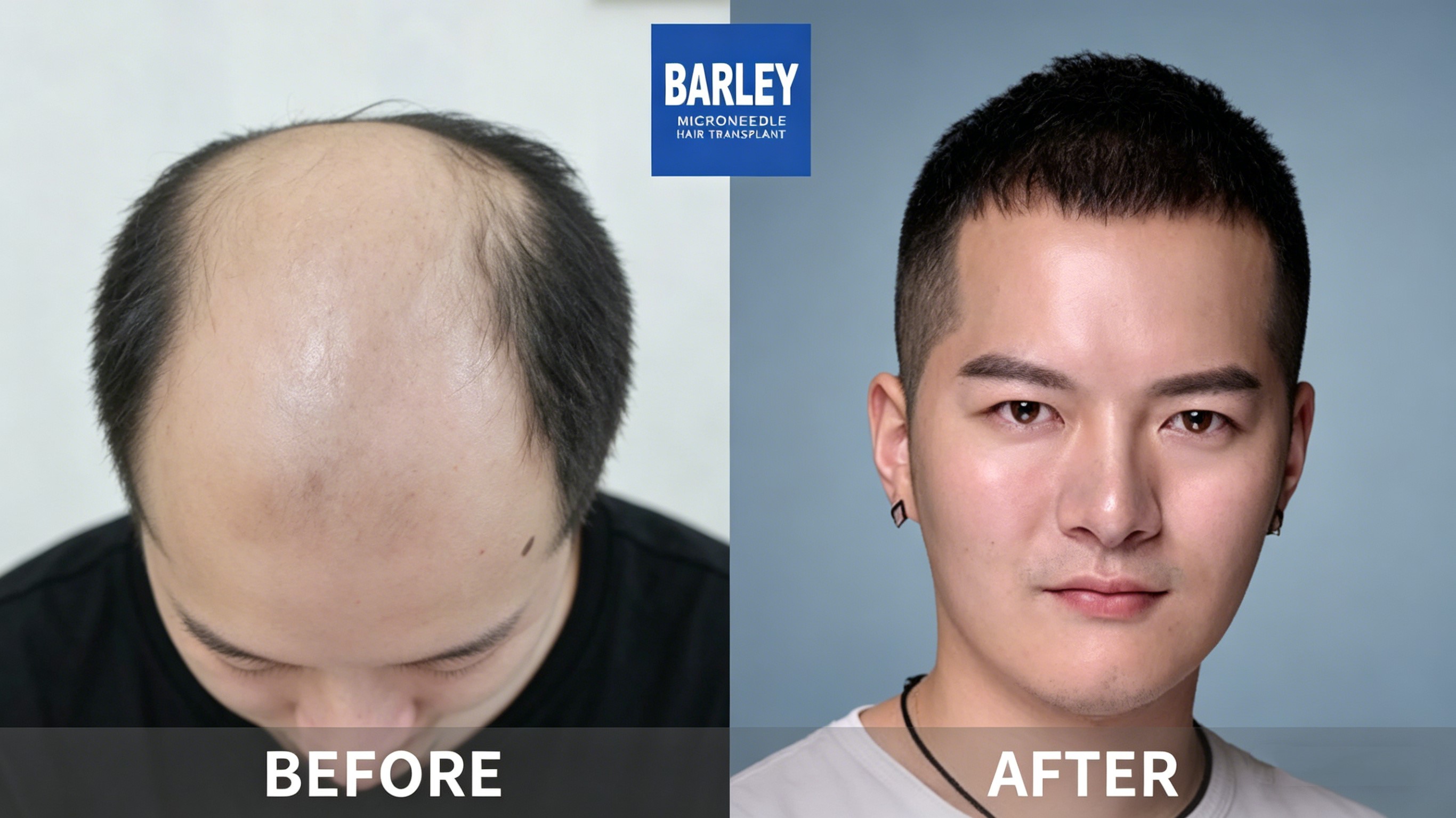
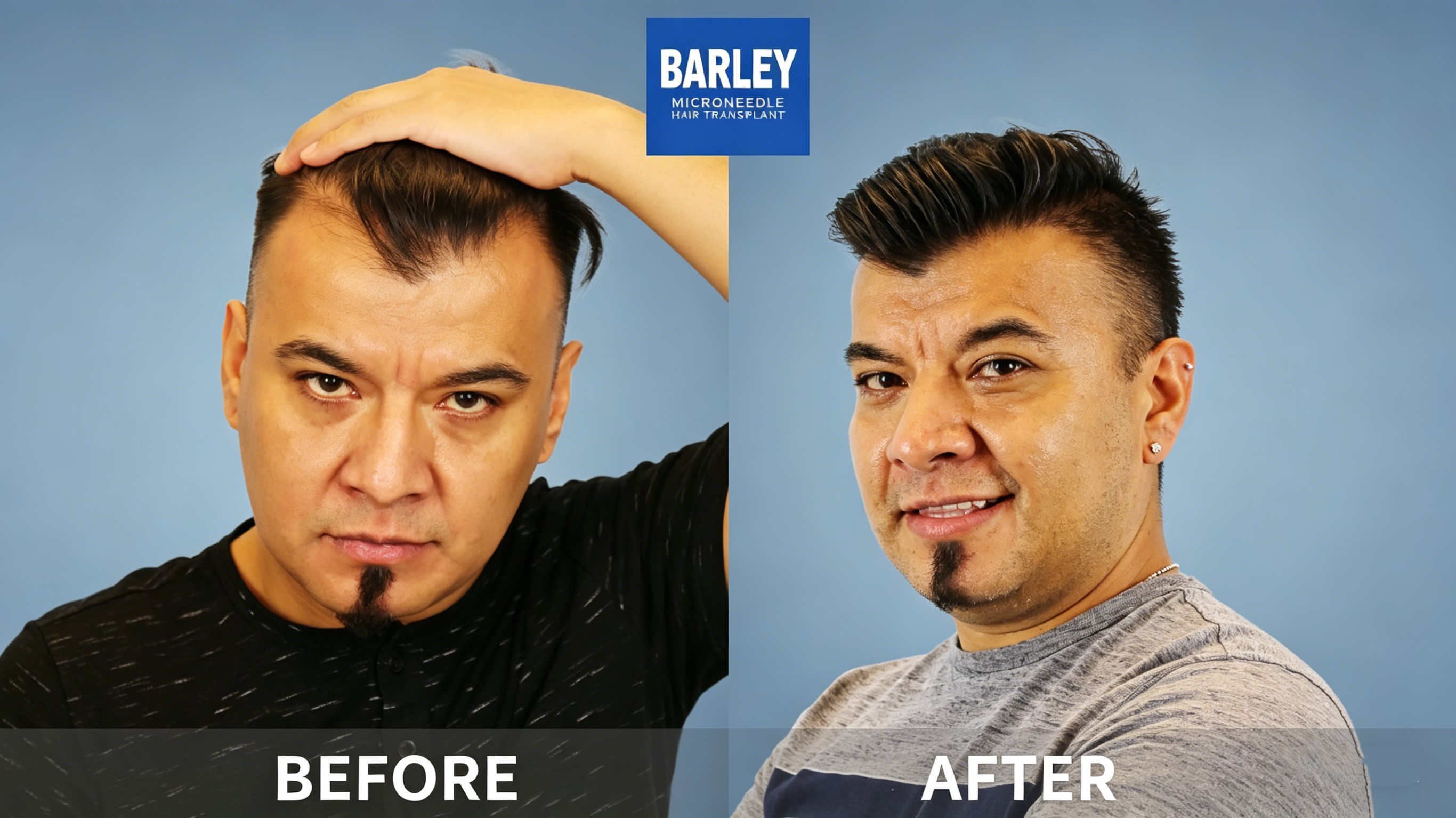
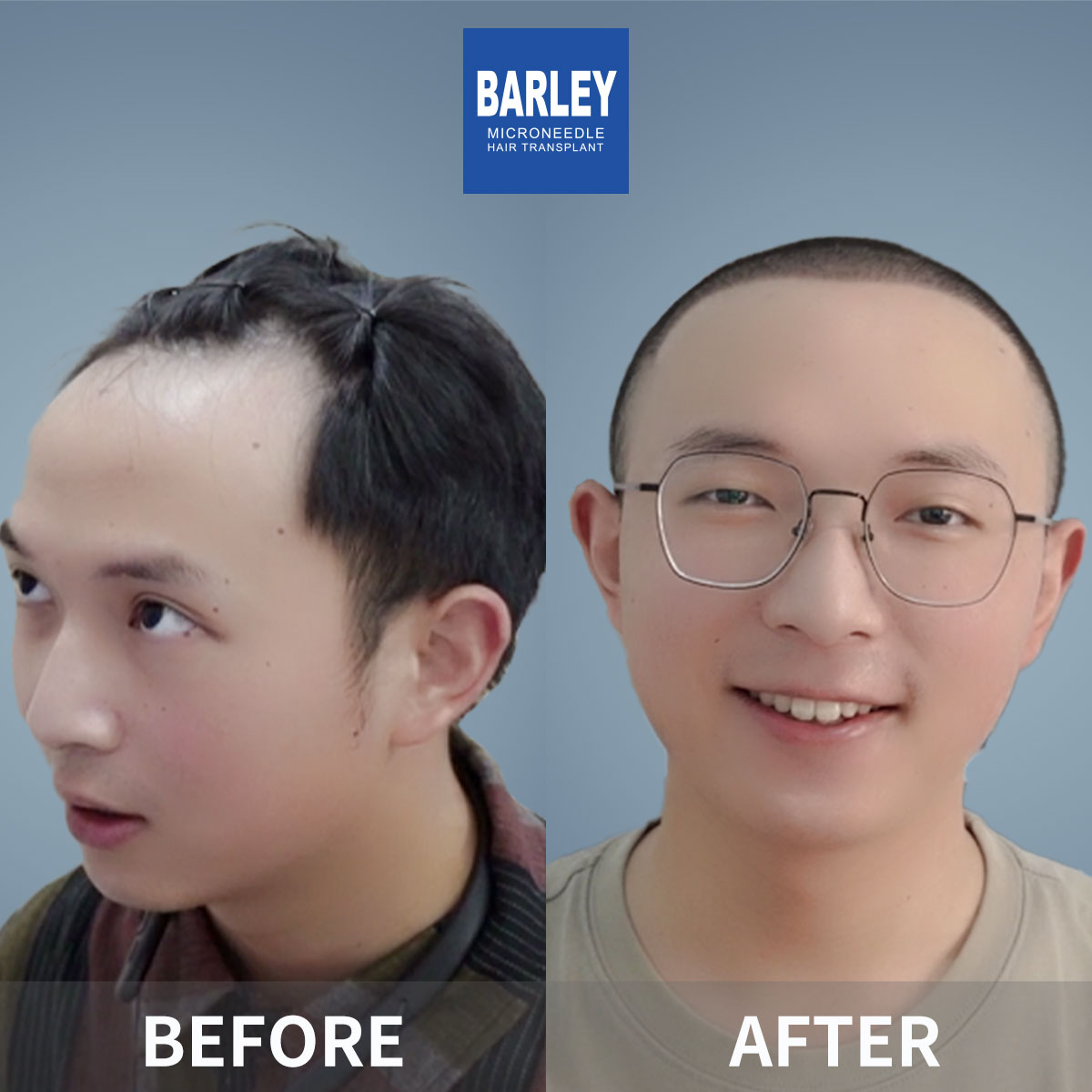
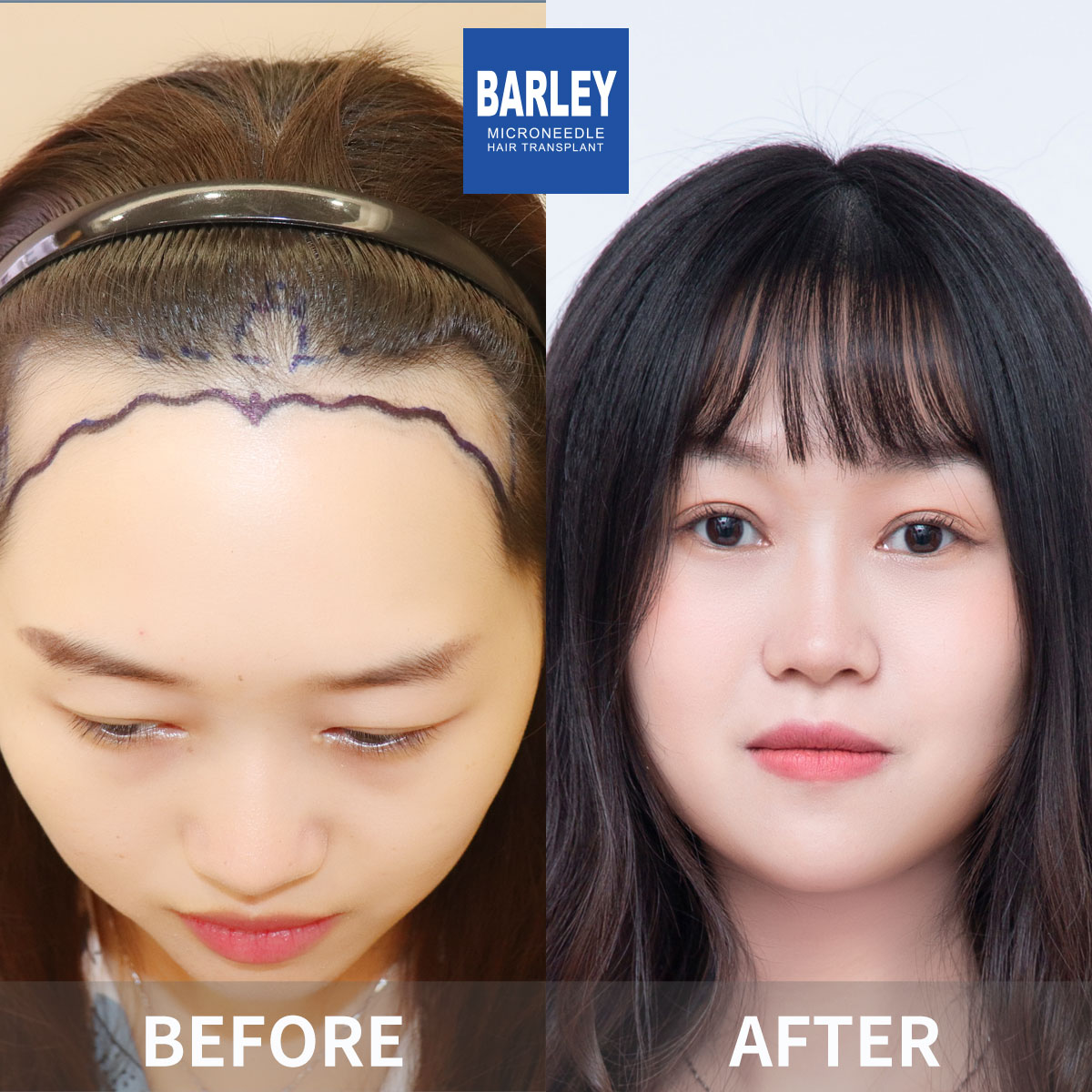
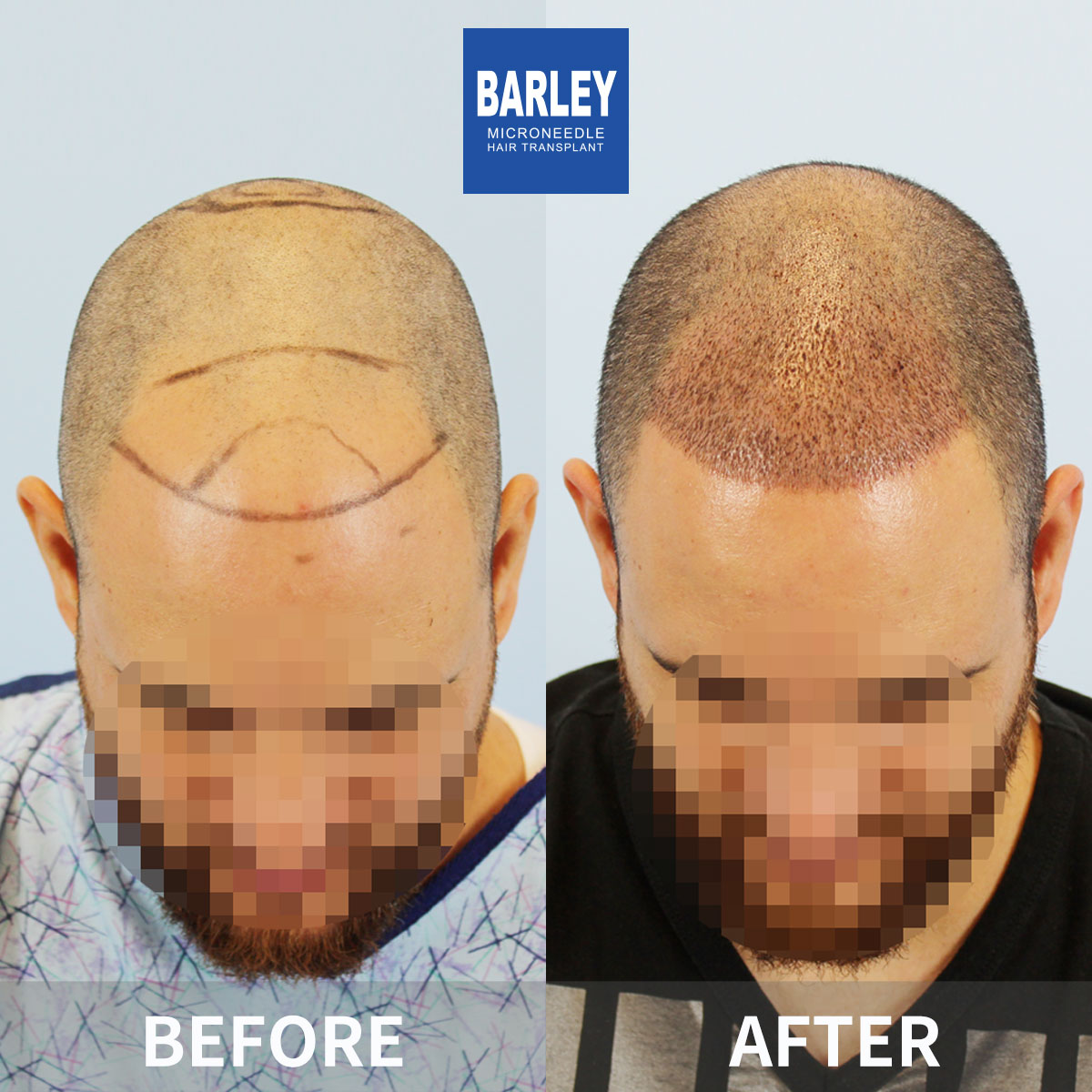
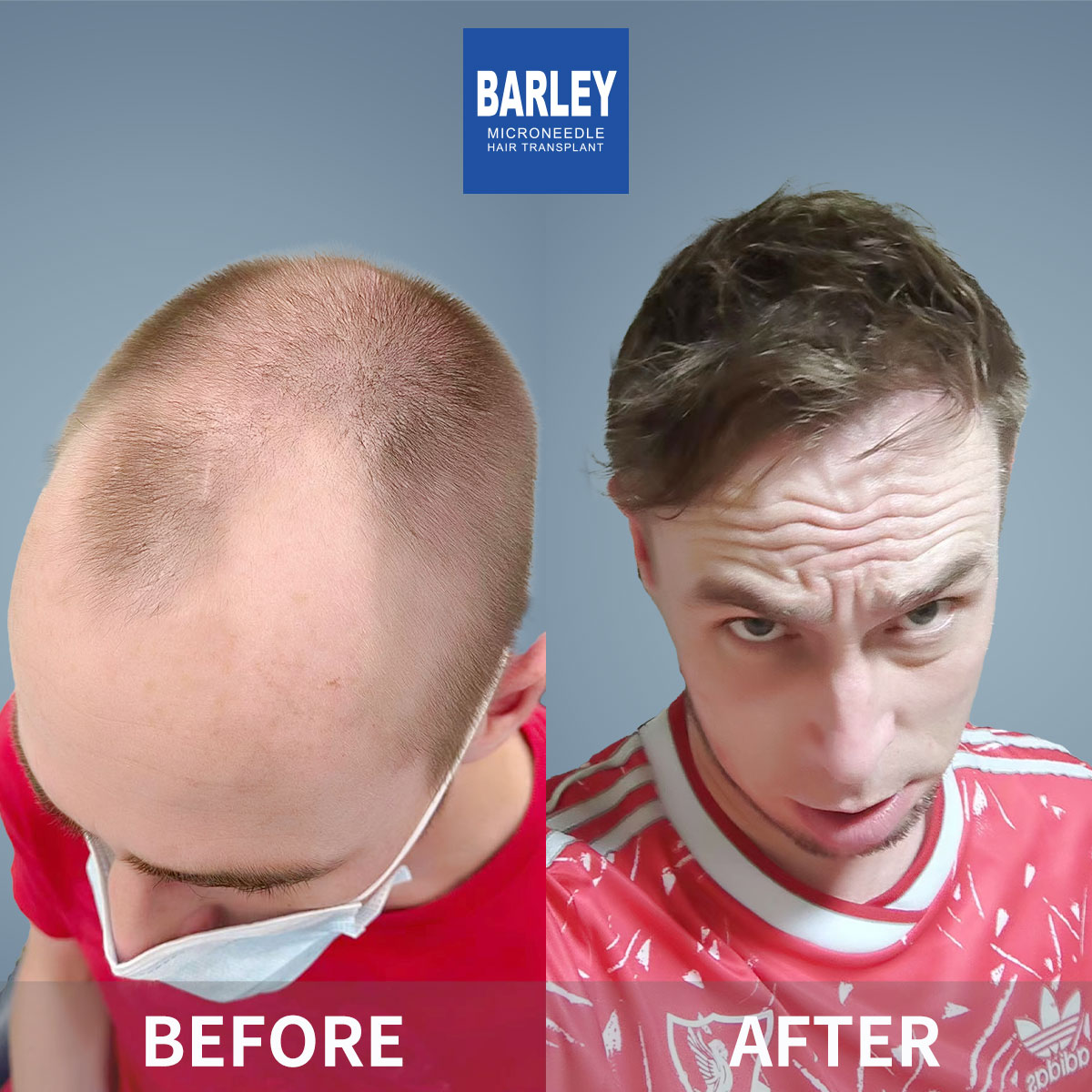
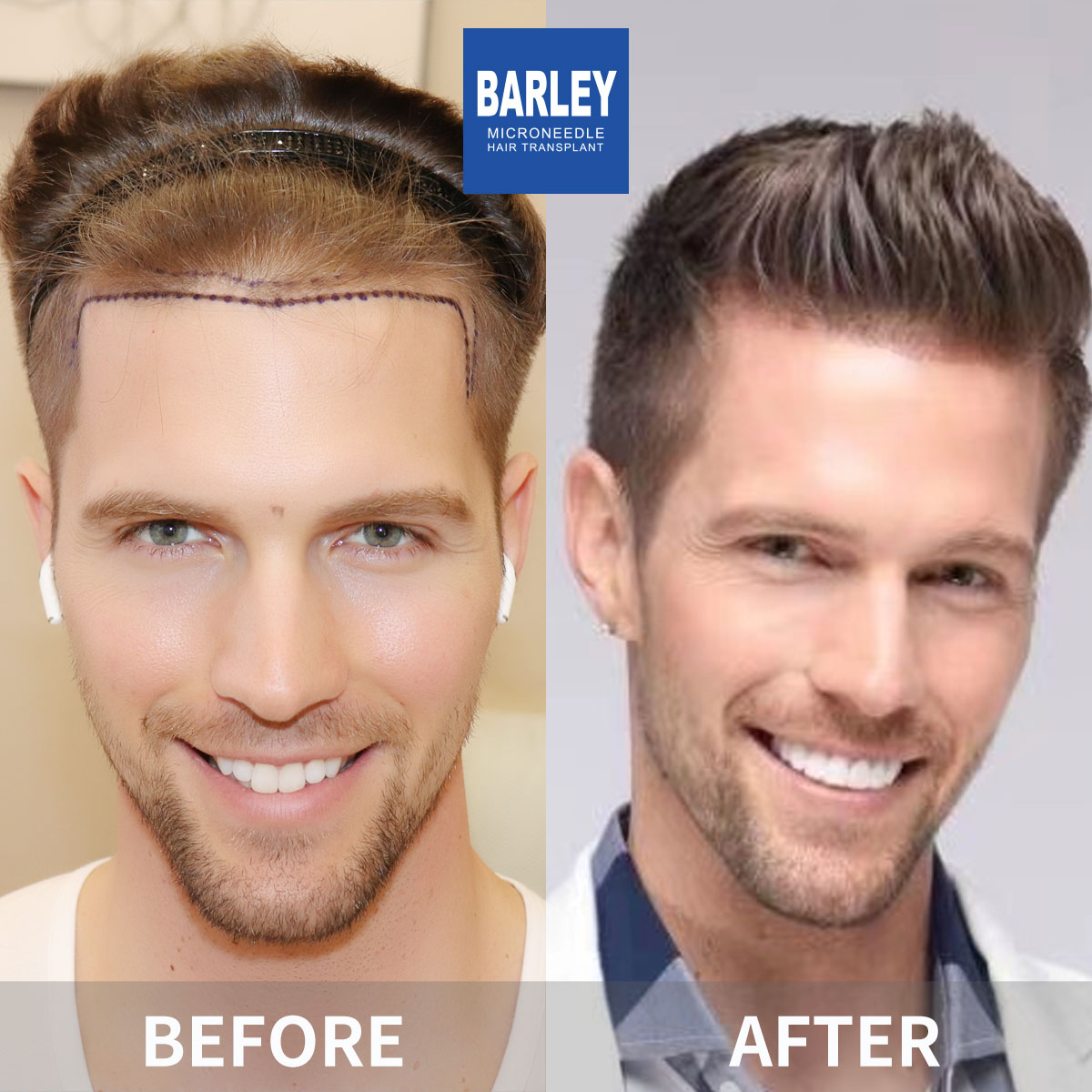
Hair transplantation is a surgical procedure that moves healthy hair follicles from a donor area (typically the back and sides of the head) to areas of hair loss or thinning. The procedure involves extracting individual hair follicles or grafts and implanting them into the recipient area where hair is desired. At Barley Hair Transplant Hospital, we use advanced microneedle FUE technology to ensure natural-looking, permanent results with minimal discomfort and fast recovery. The transplanted hairs will continue to grow naturally for a lifetime because they come from areas genetically resistant to balding.
Who is suitable for hair transplantation?
Hair transplantation is suitable for both men and women experiencing pattern baldness, receding hairlines, thinning hair, or bald spots. Ideal candidates have stable hair loss, adequate donor hair supply from the back and sides of the head, and realistic expectations about results. It works for various stages of hair loss from mild thinning to advanced baldness. We also offer eyebrow transplants, beard transplants, and body hair transplants for suitable candidates. During your free consultation, our expert surgeons will evaluate your specific situation to determine if hair transplantation is right for you and recommend the best treatment approach.
Why take hair follicles from the back of the head?
The back and sides of the head (called the "safe donor zone") contain hair follicles that are genetically resistant to DHT (dihydrotestosterone), the hormone that causes pattern baldness. These hairs will continue to grow naturally even when transplanted to other areas of the scalp. This is why hair transplant results are permanent—once transplanted, these hairs maintain their natural resistance to balding. At our hospital, we carefully select the healthiest follicles from this donor area to ensure the highest survival rates and best possible results for our patients.
Is hair transplantation very painful?
Modern hair transplantation is surprisingly comfortable! The procedure is performed under local anesthesia, so you won't feel any pain during surgery. You'll be awake and comfortable, able to watch movies, listen to music, or even nap. After the anesthesia wears off, you may experience some mild discomfort or soreness, which can be easily managed with over-the-counter pain medication. Our advanced microneedle FUE technology minimizes trauma to the scalp, making recovery much more comfortable than older techniques. Most patients describe the experience as "uncomfortable but not painful" and are able to resume normal activities within days.
How long to see hair transplant results?
Patience is key with hair transplantation! You'll typically start seeing new hair growth around 3-4 months after the procedure. The transplanted hairs often go through a natural shedding phase in the first few weeks—this is completely normal and nothing to worry about. It usually takes 9-12 months to see the full, final results, and improvements continue for up to 18 months as the hair matures and thickens. Our microneedle FUE technology ensures excellent graft survival rates of 95% or higher, giving you the best possible chance for successful and timely hair restoration results.
How long does a hair transplant take?
The duration of a hair transplant procedure depends on the number of grafts being transplanted. For smaller procedures (1,000-1,500 grafts), it typically takes 4-6 hours. For medium to large procedures (2,000-3,500 grafts), expect 6-10 hours. Very large sessions may be split into two days. The procedure is performed on an outpatient basis, so you can go home the same day. At Barley Hair Transplant Hospital, our efficient team and advanced techniques ensure your procedure is completed in the shortest reasonable time while maintaining the highest quality standards and graft survival rates.
What are the possible risks of hair transplantation?
Hair transplantation is a very safe procedure when performed by experienced surgeons. Possible minor risks include temporary swelling, mild discomfort, redness, crusting, and temporary numbness in the donor or recipient areas—these usually resolve within a few days to weeks. More serious complications are extremely rare when using proper techniques. Our advanced microneedle FUE technology minimizes risks like infection, excessive scarring, or poor graft survival. We provide comprehensive pre-operative and post-operative care instructions to minimize any potential risks and ensure your safety and comfort throughout the entire process.
Will there be scars after a hair transplantation?
With modern FUE hair transplantation like our microneedle technique, scarring is minimal and barely noticeable! FUE uses tiny, circular punches to extract individual follicles, leaving tiny dot-like scars that are typically concealed by surrounding hair. Unlike the older FUT (strip) method that leaves a linear scar, our FUE technique results in virtually invisible scarring. Most patients can wear their hair very short or even shaved after full recovery without noticeable scarring. We also offer scar repair hair transplants for patients with scars from previous procedures or injuries.
How much does a hair transplant cost in China compared to other countries?
Hair transplant cost in China is significantly more affordable than in the United States, United Kingdom, Australia, or many Western European countries. Our China hair transplant prices are typically 50-70% lower while maintaining the same international quality standards. The exact cost depends on the number of grafts needed, the technique used (FUE or FUT), and your specific requirements. During your free consultation, we'll provide you with a detailed, transparent quote tailored to your needs.
What is the best hair transplant clinic in China for international patients?
As China's leading hair restoration hospital, we specialize in treating international patients with full English-language support throughout your entire journey. With 30+ clinic locations in major cities like Shanghai, Beijing, Guangzhou, and Shenzhen, 10+ patented microneedle technologies, and 18+ years of specialized experience, we've successfully treated over 100,000 patients worldwide. Our English-speaking staff, international patient coordinators, and advanced techniques make us the best hair transplant clinic in China for international visitors.
What's the difference between FUE and FUT hair transplant procedures?
FUE (Follicular Unit Extraction) involves individually harvesting hair follicles from the donor area using tiny punches, leaving minimal scarring. FUT (Follicular Unit Transplantation) removes a strip of tissue from the donor area and then dissects it into individual grafts. Our hospital specializes in advanced FUE hair transplant in China with our patented microneedle implant pen technology, which offers 360-degree rotation for natural direction, minimal trauma, faster recovery, and no linear scar. We'll recommend the best technique based on your specific hair loss situation and goals during your consultation.
Can women get hair transplants in China, and is it different for them?
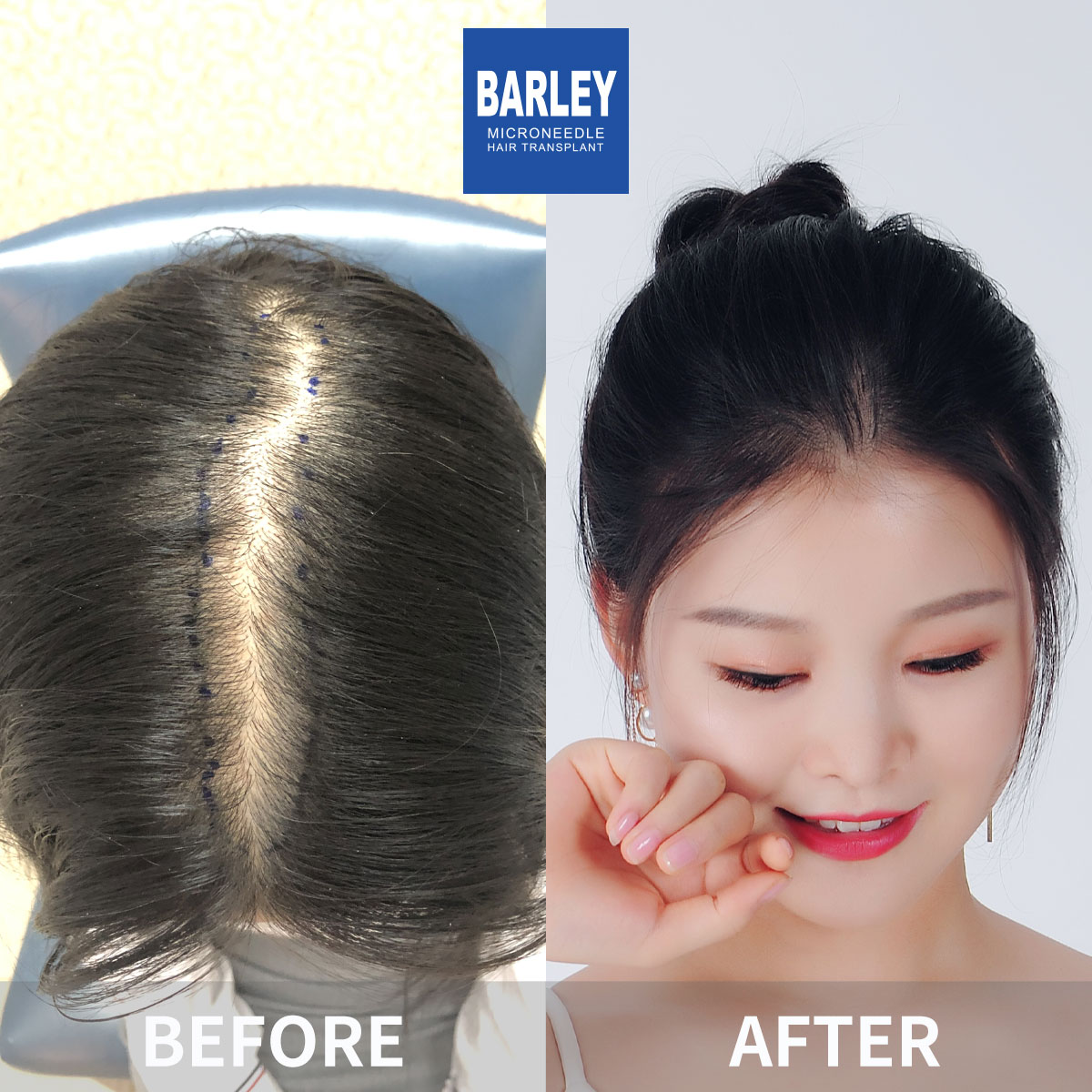
Absolutely! Women's hair transplant in China is one of our specialized services. Female pattern hair loss often presents differently than male pattern baldness, typically as diffuse thinning rather than a receding hairline or bald crown. Our experienced surgeons understand these differences and use specialized techniques to achieve natural-looking results for women. We offer customized treatment plans for female hair loss, including hairline lowering, hair thickening, and density restoration. Our patients come from around the world seeking the best female hair restoration in China.
What should I know about the recovery process after a hair transplant?
Recovery after hair transplant in China is typically very manageable with our microneedle technology. Most patients can resume desk work within 2-3 days. You'll experience some mild swelling and redness initially, which subsides within a week. You can wash your hair gently within 24-48 hours after the procedure. We provide detailed aftercare instructions including how to sleep, when you can exercise, and how to care for your new hair. For international patients, we provide comprehensive guidance and offer virtual follow-ups to monitor your progress from anywhere in the world.
Are hair transplant results permanent, and what's the success rate?
Yes! Hair transplant results are permanent because the donor hair follicles are taken from the back and sides of the head, which are genetically resistant to DHT (the hormone that causes pattern baldness). These hairs will continue to grow naturally for a lifetime in their new location. Our success rate is exceptional with over 95% graft survival thanks to our advanced microneedle implant pen technology and the expertise of our surgical team. We've helped over 100,000 patients achieve permanent, natural-looking hair restoration results.
What other services do you offer besides traditional hair transplantation?
In addition to hairline restoration and baldness treatment, we offer a full range of specialized services including eyebrow transplant in China, beard transplant surgery, sideburn restoration, body hair transplant, and scar repair hair transplants. We also provide non-surgical hair loss treatments like PRP therapy, microneedling, and medical hair care with products like minoxidil and finasteride. Our no-shave hair transplant option is particularly popular for patients who want to keep their existing hair during the procedure for a more discreet experience.
How do I prepare for traveling to China for my hair transplant?
Our international patient team will guide you through every step of preparing for your hair transplant trip to China. We'll help with pre-travel medical guidance, suggest comfortable accommodations near our clinics, arrange airport pickup, and provide you with a detailed itinerary. Most international patients plan to stay 5-7 days for the procedure and initial recovery. We recommend stopping certain medications (like blood thinners) 2 weeks before surgery, avoiding smoking and alcohol, and ensuring you're in good general health. Our English-speaking staff will be available to assist you throughout your entire visit.
Is there an age limit for getting a hair transplant in China?
While there's no strict age limit, we typically recommend waiting until hair loss has stabilized, which is usually around age 25 or older for most men. For younger patients experiencing premature balding, we often recommend a combination approach including medical treatment (minoxidil/finasteride) alongside conservative transplant strategies. For older patients, as long as you're in good health and have an adequate donor supply, age itself is not a barrier. We evaluate each patient individually during their free consultation to determine the optimal timing and approach for their specific situation.
What payment methods are accepted for China hair transplant procedures?
We accept various payment methods for international patients including major credit cards (Visa, MasterCard), bank transfers, cash, and digital payment options. We can discuss payment plans and flexible options during your consultation. Our transparent pricing includes all surgical fees, anesthesia, post-operative medications, and follow-up care. There are no hidden fees—you'll receive a comprehensive quote upfront. For comparison, hair transplant cost China is typically much more affordable than Western countries while maintaining the same, if not higher, standards of care and technology.
Can I combine my hair transplant with tourism in China?
Absolutely! Many of our international patients combine their hair restoration journey with sightseeing in China. After your initial recovery period (usually 5-7 days), you can explore incredible attractions like the Great Wall, Forbidden City, Shanghai skyline, or beautiful natural scenery depending on which clinic location you choose. Our team can recommend tourist attractions, help with hotel bookings, and provide guidance on safe activities during your recovery. Medical tourism in China for hair transplants is growing in popularity because you can combine world-class treatment with experiencing rich Chinese culture and landmarks.
What qualifications should I look for in a China hair transplant surgeon?
When choosing the best hair transplant surgeon in China, look for board-certified plastic surgeons or dermatologists with specialized training in hair restoration. Our hospital only employs fully qualified, experienced surgeons with years of specialized practice in hair transplantation. We have internationally trained doctors, many of whom speak English, and our surgical teams are highly specialized in our patented microneedle techniques. Ask about their success rates, number of procedures performed, and patient reviews. Our 100,000+ successful procedures and 18+ years of experience speak to our expertise as the top hair restoration hospital in China.
 Barley Hair Transplant Hospital
Barley Hair Hospital
Barley Hair Transplant Hospital
Barley Hair Hospital